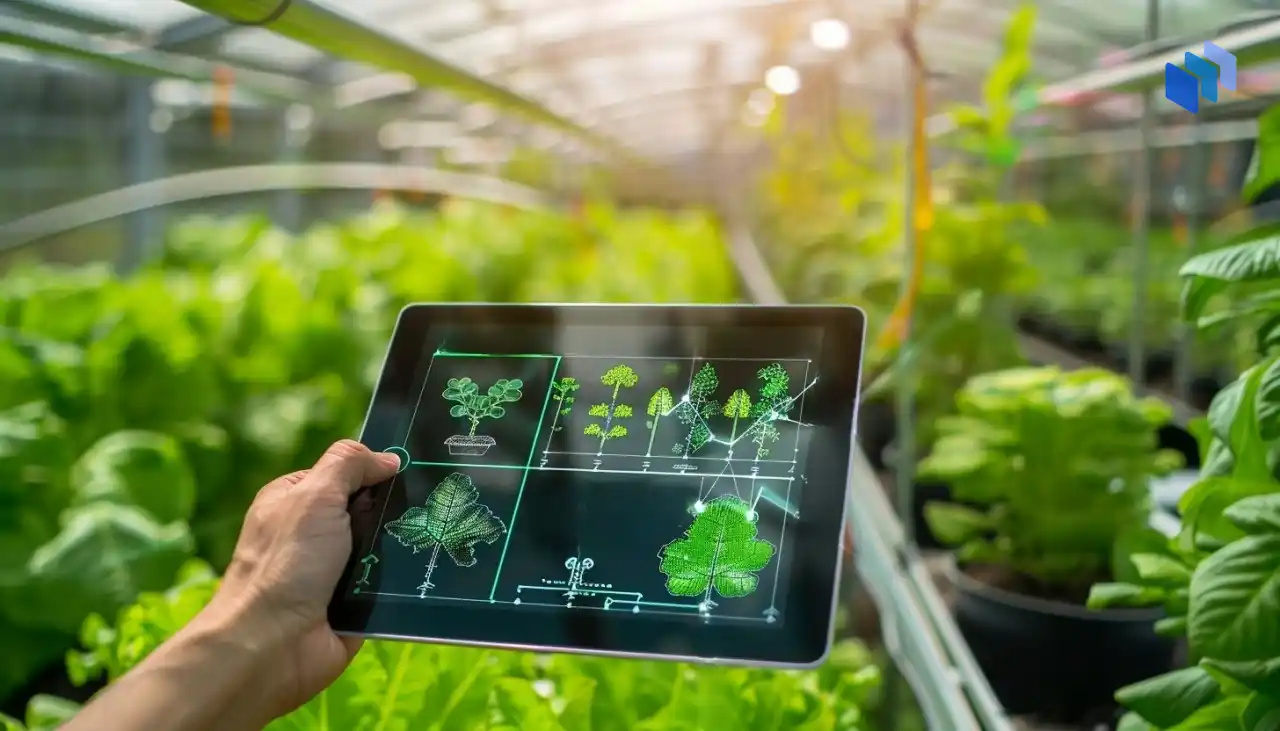
Agricultural producers around the world are adopting smart technologies to improve productivity while using natural resources more efficiently. Modern farming techniques combine sensors, satellite imagery, automation, and data analysis to help farmers make better decisions throughout the growing season.
Precision agriculture allows farmers to monitor soil moisture, crop health, and weather conditions in real time. By collecting accurate field data, producers can apply water, fertilizers, and crop protection products only where they are needed, reducing waste and lowering production costs.
Unmanned aerial vehicles, commonly known as drones, are becoming valuable tools for surveying large agricultural areas. High-resolution images help identify disease outbreaks, irrigation problems, and nutrient deficiencies before they spread across entire fields.
Climate resilience has become another important priority. Farmers are introducing drought-resistant crop varieties, improving irrigation systems, and adopting conservation practices that protect soil quality while maintaining long-term productivity.
Governments, research institutions, and private companies continue investing in agricultural innovation to strengthen food security as global demand increases. Training programs are also helping farmers learn how to use new technologies effectively.
Agricultural experts believe that combining traditional farming knowledge with modern digital tools will play a major role in ensuring reliable food production while protecting the environment for future generations.